Learning that starts with
a question.
Projects are what happens when a child gets curious about something and follows it properly. No lesson plan. No timetable. Just a task, a set of constraints, and the freedom to find out.
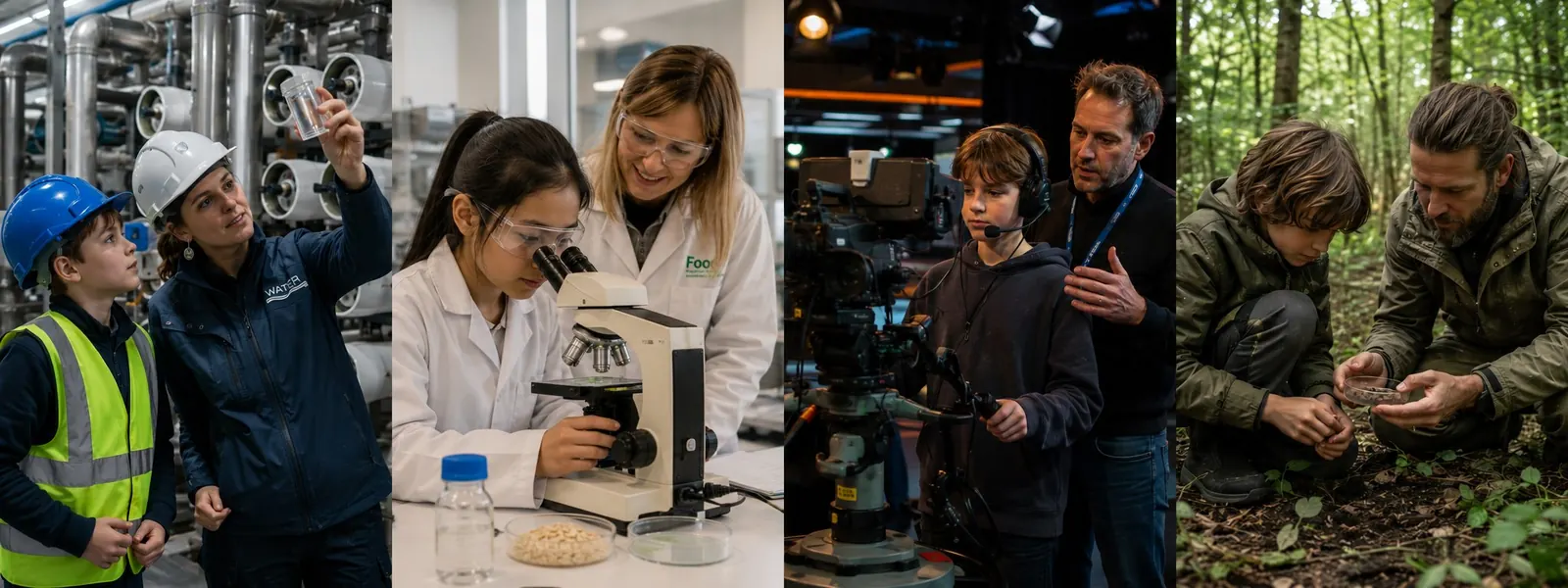
Learning that doesn't look like learning
A project is any real task a child completes with genuine constraints — something that can succeed or fail, that requires decisions, and that produces something at the end. It's how most of the most memorable learning actually happens.
Projects at LifeLearn are not structured activities downloaded from a worksheet website. They're things that actually happened — retold honestly, with the learning mapped alongside. A morning building something in the garden. A walk that turned into something else. A question that didn't have an easy answer.
The subjects emerge from the task. Nobody plans for a bird-feeder build to cover physics, biology, geography, and sustainability. It just does — because real tasks draw on real knowledge across multiple fields at once.
Projects vs Into Industry
Projects are child-led and home-based — things your family does under your own steam. Into Industry is LifeLearn's organised programme of visits to real working facilities. Both are real-world learning. They're just different scales.
"Curriculum tells you what to know. Projects show you why it mattered."
What subjects show up in a typical project
Not planned. Just present. The bird feeder morning alone covered all six of these.
Real projects. In their own words.
Two completely different mornings. Two completely different children. Both retold honestly — with the learning mapped alongside. This is what project-based learning actually looks like from the inside.
Focused
"I didn't set out to write about concentration. I set out to finish something. This is about what happened when I did."Read the full writeup →
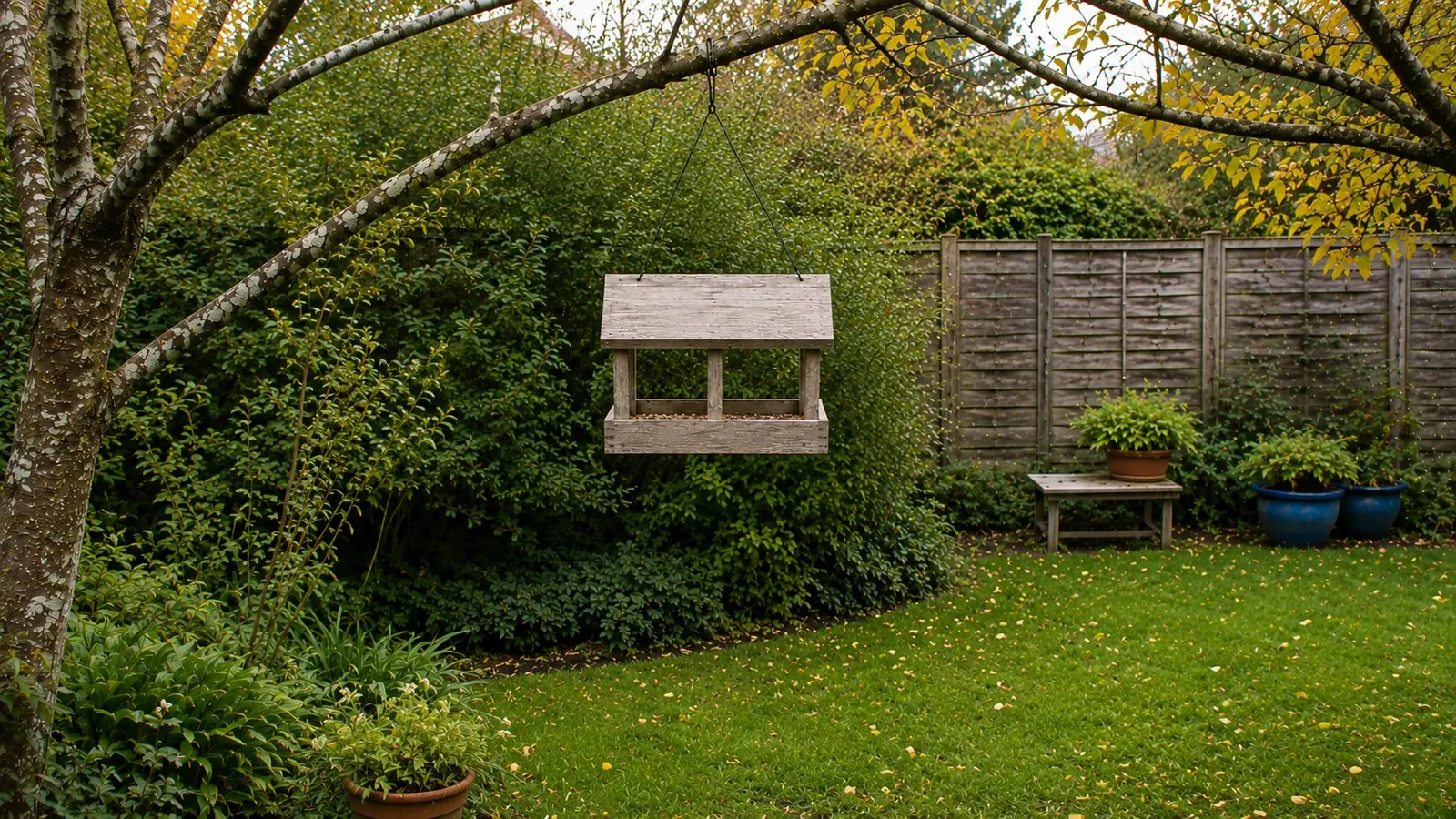 Weekend project
My Weekend Bird Feeder Project
"This project was not just about building a feeder. It taught me about nature, animal behaviour, science, engineering, weather, habitats, recycling, and patience."Read the full writeup →
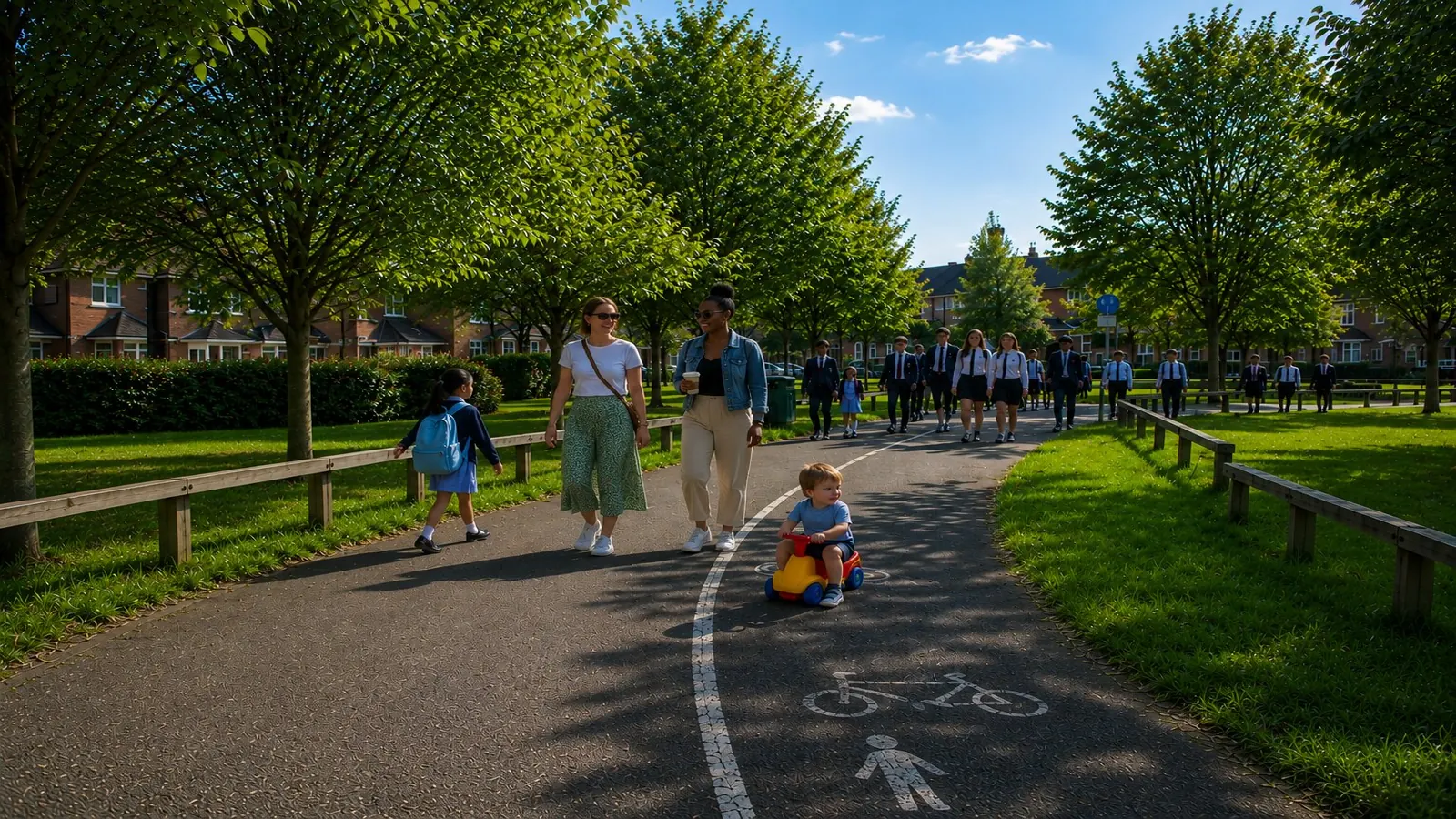 Morning out
Why We Spent the Morning Walking, Learning to Ride Our Bikes
"We already knew how to ride. The morning taught us how to share the cycle path — and how to listen for what you cannot yet see."Read the full writeup →
Could this be yours?
Submit a child-written project
Has your child documented something they made, visited, or investigated? We'd love to feature it. Every project published here was submitted by a real home-educating family.
To protect children’s privacy, we never publish their real names or photographs. Names are changed, and images are illustrative.
Get in touch →More showcases coming
LifeLearn members are encouraged to write up their own projects and share them in the community. The best ones are published here. Join the community to share yours — or submit a writeup directly.
Why real-world learning works
Project-based learning and Into Industry visits aren't enrichment activities bolted onto an education. For many home-educated children, they are the education — and the research on why they work is compelling.
When a child builds something, visits somewhere real, or follows a question of their own all the way to an answer, they aren't just acquiring knowledge — they're building the cognitive architecture that makes knowledge usable. The difference between a child who knows that water is H₂O and one who has watched it be treated, filtered, and disinfected isn't a matter of degree. It's a fundamentally different kind of understanding.
"Knowing about something and knowing how to think about it are two different things. Real tasks teach the second."
Knowledge integration
Real tasks pull from multiple subjects simultaneously — not sequentially. A child building a feeder isn't doing "science then maths then writing." They're doing all three at once, which is how knowledge actually gets connected and retained.
Deeper comprehension
Comprehension — real comprehension, not recall — develops when a learner has to apply knowledge under conditions they didn't predict. Projects and industry visits create those conditions. Worksheets rarely do.
Long-term retention
Episodic memory — memory tied to a specific experience — is among the most durable forms of recall. A child who visited a water treatment plant at age ten can reconstruct the six-stage process twenty years later. A child who read about it in a textbook probably cannot.
Intrinsic motivation
Self-determination theory identifies autonomy, competence, and relatedness as the three roots of intrinsic motivation. Projects that a child chooses, completes, and documents satisfy all three in ways that assigned work typically doesn't.
Critical thinking
Constraints force decisions. Decisions require evaluating options. Evaluating options is what critical thinking actually looks like in practice. A child who has had to choose what materials to use, what design to build, or what question to ask next is practising critical thinking — not studying it.
Metacognitive development
Writing a project up — explaining what happened and what was learned — develops metacognition: awareness of one's own thinking. Children who regularly document their learning become better at knowing what they know, and more honest about what they don't.
Civic literacy
An Into Industry visit to a water treatment plant, a port, or a court produces something that classroom teaching rarely achieves: a working model of how society actually functions. Children who understand the infrastructure of their world are better equipped to participate in it.
Social confidence
Being taken seriously by a working engineer, scientist, or broadcaster — having a real professional explain their work and answer real questions — builds a form of social confidence that group schoolwork doesn't replicate. The child is a guest in a professional space, not a pupil in a classroom.
Career awareness
Most children choose subjects and career paths based on what adults describe, not what they've seen. An Into Industry visit shows — rather than tells — what it looks like to spend a working life in a field. That's a more honest basis for future decisions.
How the two approaches complement each other
Neither replaces the other. Together they cover what the other can't.
Both count for your compliance portfolio
A home project writeup and an Into Industry visit briefing both constitute solid evidence of suitable education for any local authority enquiry. The Record Keeping guide explains how to document both effectively.
The project philosophy
Project-based learning isn't unschooling — though the two overlap. It's a deliberate choice to let learning emerge from a real task rather than imposing the task on top of a predetermined subject list. The subjects are still there. They just arrive in the order the project needs them.
Start with a real question
The best projects begin with a question that has no predetermined answer. "Can we build something that makes the birds come closer?" is a better starting point than "today we're doing a nature project."
Add genuine constraints
A project without constraints isn't a project. "Using only what we already have in the house" turns a craft activity into an engineering problem. Constraints force decisions, and decisions produce learning.
Let the subjects emerge
Resist labelling the subjects while the project is happening. The bird feeder builder was not "doing biology." They were trying to understand what birds eat. The subject label comes later, if at all.
Document it honestly
A writeup — in the child's own words — is the most valuable part of the process. Not because it proves learning happened, but because writing about something is how you find out what you understood and what you didn't.
Follow the thread
If one question lands and your child wants to keep pulling at it, let them. The follow-up conversations and the next project that grows from this one are where project-based learning becomes something bigger.
Small projects lead to larger ones
The bird feeder principle: a project done well tends to produce the next question. That's how a weekend in the garden becomes an ongoing interest in ecology, or engineering, or both.
Share your project
Did something happen this week that's worth writing up?
LifeLearn publishes project writeups from member families. They don't have to be elaborate. They just have to be real — something that actually happened, written honestly, with a note on what it covered. If it made it into the dinner conversation, it's probably worth writing up.
Share it in the community first. If it resonates with other families, we'll work with you to publish it here.
What makes a good project
- It starts with a real question — not a lesson objective
- It has genuine constraints that force real decisions
- The subjects emerge from the task, not the other way around
- It produces something — a thing, a writeup, a conversation
- It's documented honestly, in the child's own words where possible
- It costs nothing, or almost nothing, to recreate at home
- It makes it into dinner conversation that evening
